


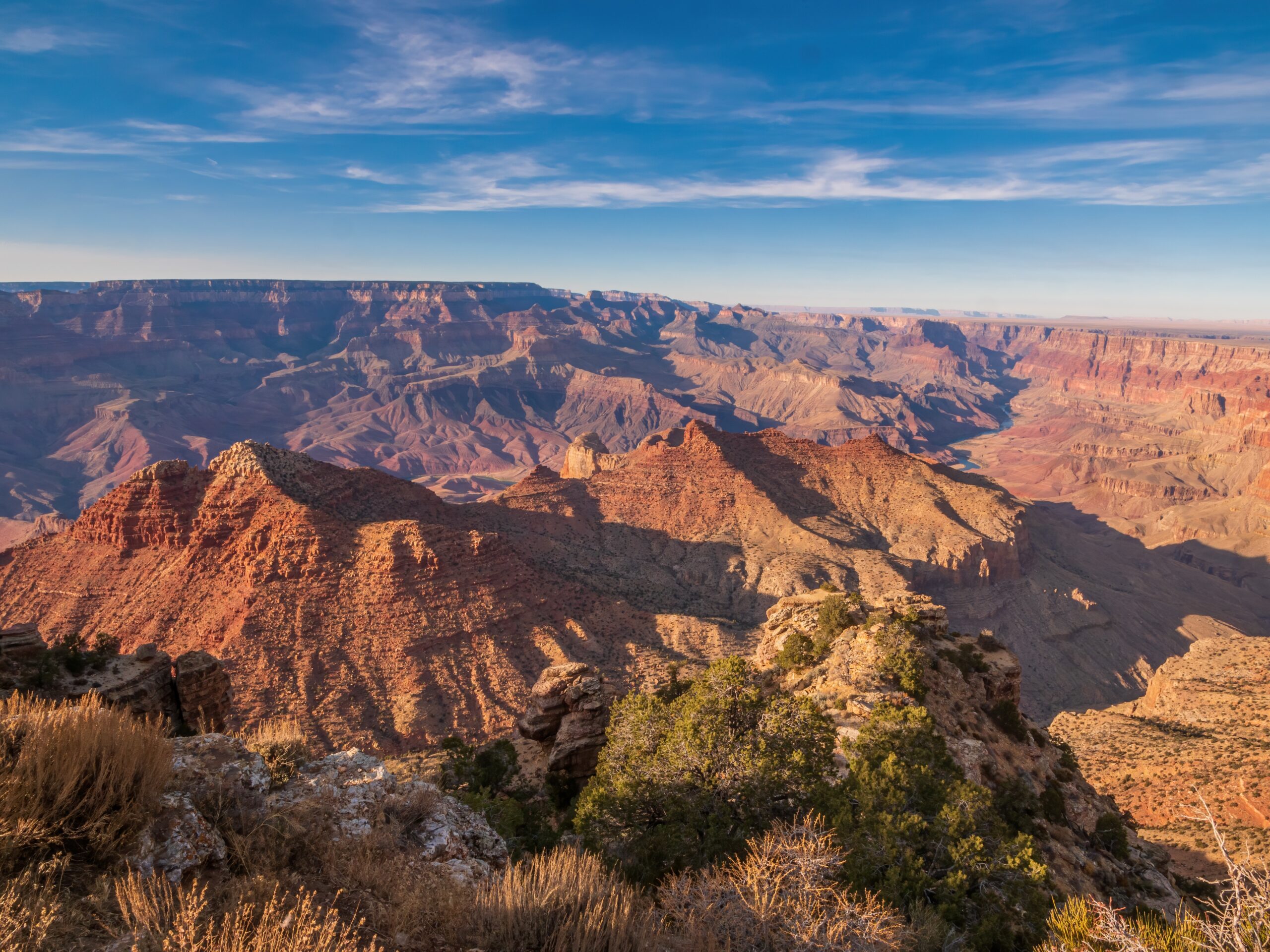
The Story of Chiang Mai’s Grand Canyon
Unlike its natural namesake in Arizona, the Grand Canyon Chiang Mai wasn’t sculpted by nature over millions of years. Instead, it emerged as a result of industrial activity. Originally, this area was a flat expanse of soil and rock. To meet the demand for materials during the construction of Chiang Mai’s airport, massive amounts of earth were extracted, leaving behind the canyon-like landscape we see today. This transformation wasn’t gradual; it was shaped quickly by human effort, creating a remarkable blend of nature and industry.
Over time, the site evolved from a quarry into a unique attraction. The area was mined between 2004 and 2005 before mining activities ceased. This closure marked the beginning of its transformation into a must-see destination. The Grand Canyon Chiang Mai stands as a testament to how industrial efforts can unexpectedly create remarkable landmarks, highlighting how human interventions can reshape landscapes in intriguing ways.
In recent years, the Grand Canyon Chiang Mai has blossomed into a popular tourist spot, drawing visitors with its striking scenery and exciting activities. The conversion of this industrial site into a recreational haven showcases how once-utilitarian landscapes can offer both economic and environmental rewards while retaining their unique charm.
Activities and Attractions at Grand Canyon Chiang Mai
For thrill-seekers, water sports enthusiasts, and sightseers alike, Grand Canyon Chiang Mai offers a wealth of activities suited for all ages and skill levels. Some of the most popular pastimes include swimming and kayaking, both perfect for exploring this stunning setting. Rent a kayak or canoe and glide across the calm waters, soaking up panoramic views of the Grand Canyon Water Park. With its tranquil environment, kayaking here is suitable for beginners and pros alike. Those looking for a laid-back experience will find swimming in the refreshing waters ideal for cooling off under the warm Thai sun.
For adrenaline lovers, cliff diving is a major draw. Daredevils can leap from cliffs as high as 7.5 meters into the crystal-clear waters below! Additionally, there’s a thrilling zip line stretching 400 meters across the canyon, offering breathtaking aerial views. Safety equipment and guidance are provided for all activities, ensuring that everyone can enjoy an unforgettable adventure.
If you’re in the mood for a slower pace, the Grand Canyon Chiang Mai offers numerous spots to relax and take in the scenic views. Designated relaxation areas provide shaded seating, while well-maintained viewing platforms are perfect for soaking up the canyon’s dramatic landscapes. Visitors can also rent bamboo rafts for a gentle drift across the water, making for a peaceful, picturesque experience.
Environmental and Cultural Impact
The Grand Canyon Chiang Mai, a fascinating man-made marvel, has had a significant impact on the local environment and biodiversity. Originally an abandoned quarry, it has transformed into a popular tourist destination that attracts thousands of visitors annually. While tourism benefits the local economy, it also poses challenges to the delicate balance of local ecosystems. The presence of the water park and the influx of visitors can disrupt local flora and fauna, emphasizing the need for conservation measures to protect the area’s natural beauty.
Community engagement and cultural respect are essential in the ongoing development and management of Grand Canyon Chiang Mai. The site now hosts activities like cliff diving and water slides, drawing diverse visitors and prompting active involvement from the local community. This involvement helps ensure that the area’s heritage is preserved amid rapid commercialization. Local artisans and businesses have gained a platform to showcase their crafts and services, contributing to economic growth and cultural exchange.
Sustainable tourism practices and conservation efforts are crucial to maintaining a balance between development and preservation. Local authorities and tour operators are increasingly focusing on eco-friendly initiatives, such as promoting environmentally responsible activities and reducing the carbon footprint of tourism. Conservation programs also work to educate visitors on the area’s ecological significance, encouraging responsible behavior. Through a commitment to sustainability, Grand Canyon Chiang Mai can thrive as a tourist destination while preserving its natural and cultural heritage for future generations.
A One-of-a-Kind Adventure Destination
The Grand Canyon Chiang Mai isn’t just a visual wonder; it’s become a go-to spot for adventure and relaxation. From its industrial origins to its rise as a beloved tourist hotspot, the site illustrates the powerful cultural and historical significance of transformed landscapes. With activities ranging from water sports to thrilling cliff jumps, there’s something for every type of visitor. Maintaining an eye on environmental and cultural impacts ensures that this place remains not just an adventure destination, but also an inspiring example of responsible tourism and community engagement.


